
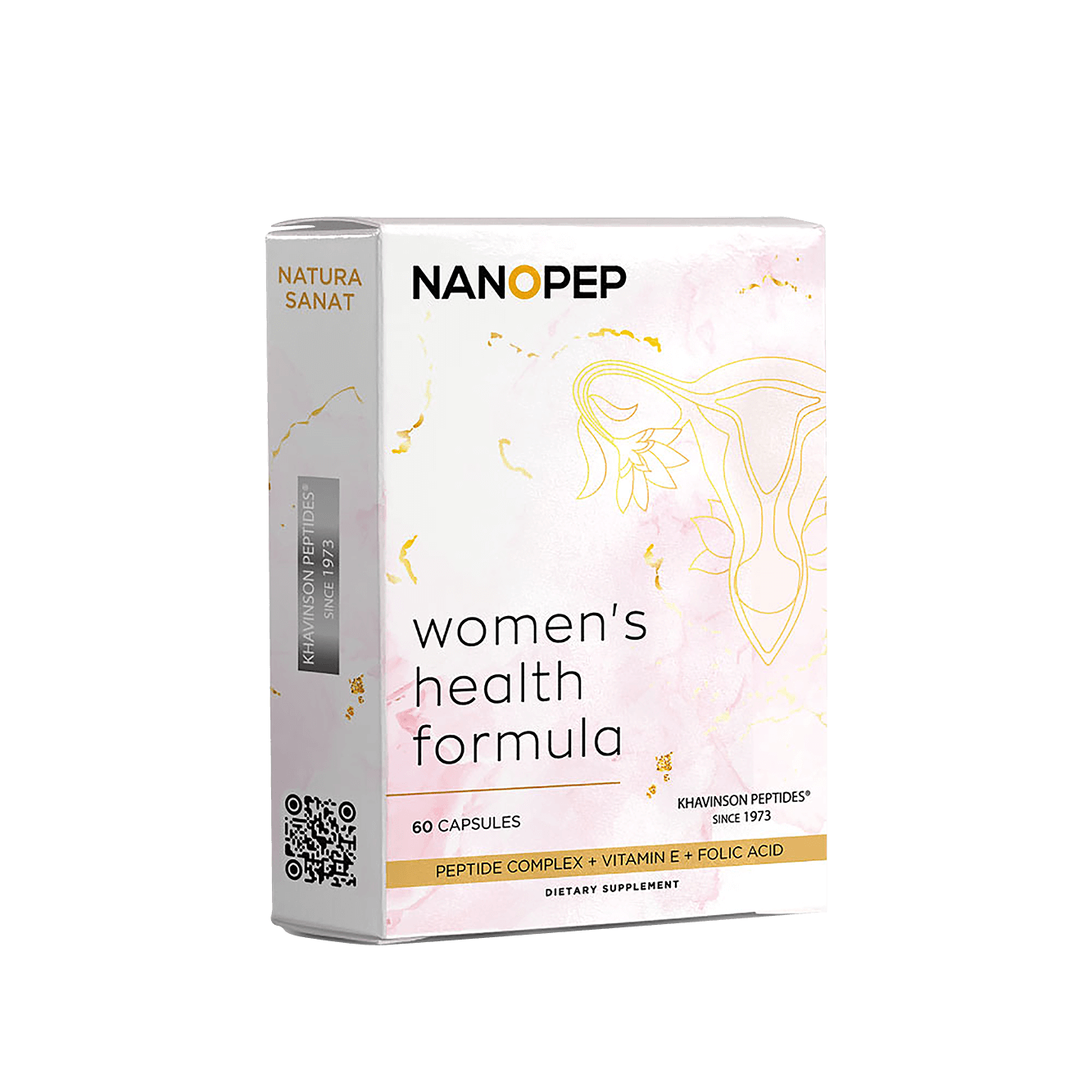
Ovarian activity changes throughout adult life, so the priorities are not identical at 25, 35, or 45. Understanding these changes helps women make more informed choices. The Nanopep women’s health formula can be considered one element of a broader approach to supporting ovarian function, alongside nutrition, sleep, stress management, and regular medical care.
In this article, we’ll go through changes in ovarian function in different life stages and revisit habits that support female reproductive health.
How Ovarian Function Changes With Age
The ovaries have two closely connected roles. They release eggs and produce hormones, including estrogen and progesterone. Both functions are influenced by age, genetics, overall health, and certain medical conditions.
During the reproductive years, ovarian activity follows a cyclical pattern. Follicles develop within the ovaries, and usually one dominant follicle releases an egg during ovulation. Hormonal fluctuations regulate this process and also affect the menstrual cycle.
Ovarian reserve is different from ovarian function itself. It refers mainly to the number of remaining follicles and does not directly describe egg quality. Ovarian reserve generally declines with age, while the rate of decline varies considerably between women.
Lifestyle factors cannot stop the natural aging of the ovaries. However, they can influence general metabolic and reproductive health. This makes supportive habits relevant throughout adulthood rather than only when fertility becomes a concern.
In the 20s: Building a Strong Foundation
For many women, the 20s are associated with relatively stable ovarian activity. Yet this does not mean reproductive health should be ignored. Menstrual patterns, persistent pelvic pain, or major changes in cycle regularity can sometimes signal conditions that deserve medical assessment.
Basic habits are especially useful at this stage. Adequate nutrition provides the energy and nutrients needed for normal physiological processes. Regular physical activity supports cardiovascular and metabolic health, while consistent sleep helps regulate many systems involved in hormonal balance.
Smoking is another factor worth considering. Tobacco exposure is associated with poorer reproductive outcomes and can contribute to faster reproductive aging. Avoiding smoking is therefore a meaningful part of protecting long-term ovarian and overall health.
In the 30s: Paying Attention to Reproductive Health
Ovarian reserve tends to decline gradually during the reproductive years and becomes more relevant when pregnancy is planned. Fertility does not suddenly disappear after a particular birthday, but age is an important factor in both egg quantity and quality.
Women who are not planning a pregnancy can still benefit from understanding their menstrual patterns. A cycle that becomes persistently irregular, unusually painful, or significantly different from a woman’s usual pattern should not simply be dismissed as stress or getting older.
Medical history also matters. Endometriosis, ovarian surgery, some cancer treatments, certain genetic conditions, and other factors may affect ovarian function or reproductive potential. Individual risks are best discussed with a gynecologist rather than assessed through general advice.
In the 40s: Preparing for Perimenopause
The 40s often bring more noticeable changes in ovarian activity. Perimenopause may begin several years before the final menstrual period. During this transition, hormone levels can fluctuate considerably, and menstrual cycles may become shorter, longer, heavier, or less predictable.
Symptoms can include hot flashes, night sweats, sleep disruption, mood changes, vaginal dryness, and changes in sexual function. Not every woman experiences the same combination or intensity of symptoms.
At this stage, supporting ovarian health is less about trying to preserve a youthful hormonal state and more about maintaining overall health while the reproductive system changes naturally. Regular check-ups can help distinguish expected age-related changes from conditions that require treatment.

Habits That Support Reproductive Health
There is no single diet, supplement, or routine that can guarantee preserved ovarian function. A more practical approach is to focus on habits that support the body as a whole. These habits can remain useful across different stages of adulthood.
Key areas include:
- eating enough protein, fiber, healthy fats, vitamins, and minerals through a varied diet;
- maintaining regular physical activity without excessive training or chronic energy restriction;
- getting consistent, sufficient sleep and addressing persistent sleep problems;
- avoiding smoking and limiting exposure to other known reproductive toxins;
- managing chronic conditions such as diabetes or thyroid disorders with appropriate medical care;
- attending gynecological appointments and discussing persistent cycle changes or pelvic symptoms.
These measures do not reverse the natural decline in ovarian reserve. Their value lies in supporting metabolic, cardiovascular, hormonal, and reproductive health over time.
Ovarian function changes naturally with age, but reproductive health is influenced by more than the number on a birthday. Nutrition, movement, sleep, smoking status, chronic disease management, medical history, and access to appropriate care all contribute to the bigger picture. Supporting ovarian health, therefore, means adapting priorities as life changes.