
The per kilometre mileage deduction is 88 cents in Australia for 2025-2026, 73 cents in Canada, and across the Pacific, the IRS bumped its rate to 72.5 cents per mile for 2026. Yet freelancers in all three countries keep forfeiting these claims because they never documented the trips in the first place. The numbers themselves are generous enough. The problem has almost nothing to do with the rates.
Tanya Reeves, a tax agent operating out of a small practice in Melbourne, said she sees it every single filing season. Clients who drove 8000 or 9000 business kilometres in a year come in with nothing written down, no logbook, no app data, not even rough notes in a calendar. She has to explain that the ATO caps the cents per kilometre method at 5000 km anyway. But they cannot even claim that because they have zero substantiation. Reeves estimated that perhaps a third of her sole trader clients lose somewhere between $1,500 and $4,000 in vehicle deductions annually. The frustrating part, according to her, is that most of them drove more than enough to justify a full claim. They just never recorded anything. The ATO requires records to be kept for five years. Under the Sharing Economy Reporting Regime that kicked in during 2024, gig workers on platforms from Airtasker to Uber Eats now have their income reported directly to the tax office. The scrutiny on matching deductions to actual records has gotten tighter, while the record keeping habits of freelancers have barely moved.
A bookkeeper based in Toronto, who handles about 40 self employed clients, told a different version of the same story, explaining that the CRA’s logbook requirement trips people up not because it is complicated, but because nobody wants to do it every day for a year. Canada asks for either a full logbook tracking every business trip with destination and distance, or a simplified version where you log three months and extrapolate. But the base year still needs a complete 12 months of data. She said probably six or seven of her clients just skip vehicle expenses entirely rather than deal with them. The deductible items in Canada go beyond just mileage, too. Fuel, insurance, maintenance, registration, and even interest on a car loan if the vehicle is used for business, all of it claimable on form T2125, proportional to business use. All of it requires receipts that most of her clients do not have organized in any usable way.
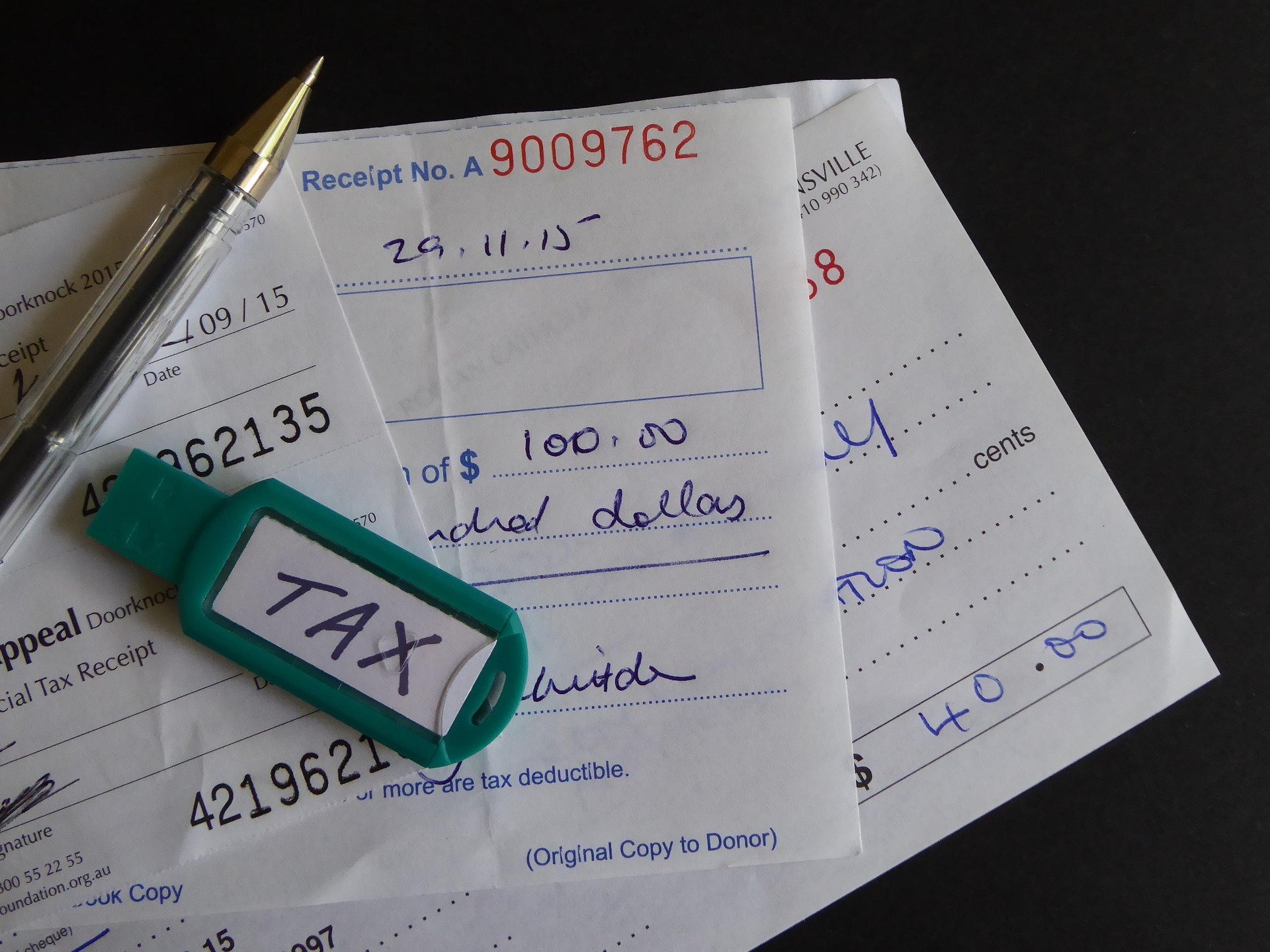
Across all three countries, the pattern looks almost identical. Freelancers lose deductions not because the tax code is stingy, but because the documentation burden falls entirely on them. Most of them treat record keeping as something they will get to later. A 2023 survey cited by the National Association for the Self Employed found that independent workers in the US miss between 3000 and 5000 dollars in legitimate deductions each year because they simply do not know what qualifies. 77 percent of respondents said they do not understand how to maximize write offs. That survey covered all deductions, not just vehicle expenses. But the vehicle category is where the gap between what people drive and what people claim tends to be widest. Freelancers using receipt generators like MyReceiptMaker can at least reconstruct expense records for fuel and maintenance after the fact. But the mileage log itself has to be contemporaneous, and there is no shortcut for trips that were never recorded. At 72.5 cents per mile, a freelance photographer in Phoenix driving 12000 business miles a year leaves 8700 dollars on the table if she does not keep a log. She knows this, according to her accountant at a midsize firm there. She still has not started tracking.
The IRS technically does not require a logbook in the same rigid format that the CRA and ATO demand. But it does require “adequate records” under Section 274(d) for vehicle deductions. In practice, that means a written log or digital equivalent showing date, destination, business purpose, and miles. The ATO, meanwhile, raised its fixed rate for work from home claims to 70 cents per hour in 2025 with stricter tracking requirements. Tax agents in both Sydney and Melbourne have reported that the combination of higher rates and tighter enforcement creates an odd situation where the government is offering more money to people who keep records while catching more people who do not. Reeves described one client, a freelance web developer who earned about 130000 dollars last year, who missed roughly 2200 in vehicle deductions and another 900 in home office claims because his record keeping consisted of a single folder of petrol receipts with no dates written on half of them.
In Canada, the stakes compound differently. The CRA requires six years of record retention from the date you submit your return, longer than Australia’s five. The simplified logbook method that is supposed to make things easier comes with its own trap. If your three month sample period deviates more than 10 percent from the base year percentage, the CRA can reject the entire deduction. A tax preparer in Vancouver, someone who has handled freelancer returns for about 15 years, mentioned that she had two clients audited last year, specifically over vehicle expenses. In both cases, the issue was incomplete logs rather than inflated claims. One kept a logbook for January through March and then stopped. The other had a logbook from 2022 that he was still using as his base year without confirming whether his driving patterns had changed.
The ATO’s cents per kilometre method is capped at 5000 km. Anything above that requires the logbook method with actual records of every expense. Australian freelancers who drive heavily for work are the ones most in need of detailed records and the ones least likely to have them. Canadian self employed workers face the added complexity of GST/HST implications on vehicle expenses, since the input tax credits for business vehicle use require the same proportional records as the income tax deduction. A sole trader in Brisbane who does contract electrical work told Reeves he probably drives 25000 km a year for jobs but has never once used the logbook method because he finds it tedious. He claims the 5000 km maximum at 88 cents and leaves the rest. That is 4400 dollars claimed out of what could be a substantially larger deduction if he bothered to track.
The American system looks simpler on paper, and in some ways it is. The standard mileage rate covers depreciation, insurance, repairs, and fuel in a single number. There is no need to keep individual receipts for each category like Canada demands. But the IRS still wants contemporaneous records of each trip. A QuickBooks survey from 2024 found that only about 29 percent of self employed Americans track mileage consistently throughout the year. The rest either estimate at tax time or skip the deduction entirely. At 72.5 cents per mile for 2026, a rideshare driver in Atlanta putting 20000 business miles on his car annually could claim 14500 dollars. Actual average mileage deductions claimed by gig workers sit well below that figure, according to IRS filing data.
Marcus Pellegrino, a freelance videographer based in Montreal, said he files his own taxes using off the shelf software and has never once kept a mileage log. He drives to shoot three or four times a week, maybe 600 km a month. At Canada’s 73 cents per kilometre rate for the first 5000 km, that adds up to roughly 5200 dollars a year in deductions he is not claiming. He said he keeps meaning to download one of the tracking apps his accountant recommended, but has not gotten around to it. Filing season ended two weeks ago. He still has not started.